Performance Marketing: Strategies, Models, Benefits & Future Trends
Introduction to Performance Marketing
When it comes to modern digital marketing, performance marketing has quickly become one of the most popular strategies for businesses looking to get measurable results. Unlike traditional marketing methods that focus on brand awareness or long-term campaigns, performance marketing is all about measurable outcomes. Simply put, you pay for results, whether that’s a click, a lead, or a sale. This makes it a smart choice for companies that want to optimize ROI and track the effectiveness of every campaign in real time.
One of the key advantages of performance marketing is its data-driven approach. Every campaign is carefully monitored using tools like Google Analytics 4 (GA4) and Google Search Console (GSC), so you can see exactly how your audience is interacting with your ads and content. This not only helps you understand which strategies are working but also allows for quick adjustments to improve overall performance.
Another reason businesses love performance marketing is the variety of channels available. From PPC marketing and social media advertising to affiliate marketing and influencer campaigns, each channel can be optimized for specific goals. The beauty of this strategy is that it’s flexible — you can scale budgets, test different messaging, and refine targeting to reach your ideal audience.
If you’re new to digital marketing, think of performance marketing as a results-oriented engine that powers growth. Instead of guessing whether your campaigns will work, you rely on analytics, KPIs, and performance metrics to guide your decisions. It’s not just about running ads — it’s about understanding what drives conversions, clicks, and leads, and making your marketing spend count.
In short, performance marketing combines strategy, data, and creativity to deliver measurable results, making it one of the most effective ways to grow your business online.
How Performance Marketing Works
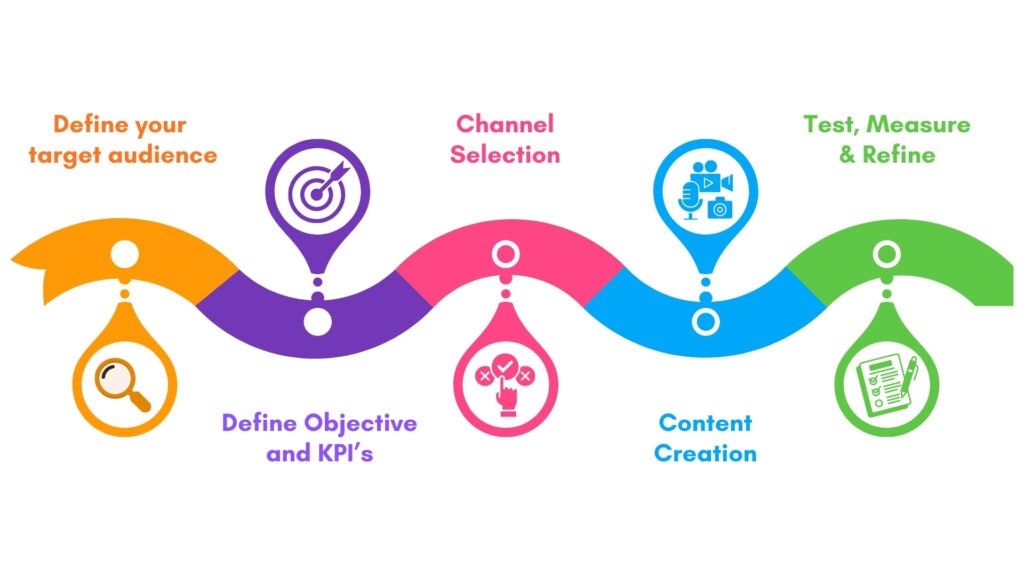
Understanding how performance marketing works is key to running campaigns that actually deliver results. At its core, performance marketing is all about paying for measurable actions rather than just exposure. This means every click, lead, or sale can be tracked and optimized, giving businesses a clear picture of what’s working and what isn’t. The first step in a successful performance marketing strategy is setting clear goals and KPIs. Whether your focus is driving website traffic, generating leads, or increasing sales, defining your objectives ensures you’re measuring the right metrics. Tools like Google Analytics 4 (GA4) and Google Search Console (GSC) play a crucial role here, helping you track audience behavior, conversion rates, and the effectiveness of different marketing channels.
Once your goals are in place, campaigns are designed around specific performance marketing channels. For example, PPC marketing allows you to target users searching for your services, while affiliate marketing helps you leverage trusted partners to drive leads or sales. Social media advertising and influencer collaborations are also popular channels, giving you the flexibility to test different approaches and see which ones yield the best results.
A key part of performance marketing is continuous optimization. Unlike traditional marketing, where campaigns might run for months without change, performance campaigns rely on data-driven adjustments. By monitoring ROI, customer acquisition cost (CAC), and other performance metrics, marketers can tweak ad copy, targeting, or bidding strategies to improve outcomes. A/B testing is often used to determine which creative or messaging performs better, ensuring every dollar spent moves the needle. Finally, reporting is an essential component. Transparent, analytics-backed insights allow you to see not just the number of clicks or leads but the quality of those results. Over time, this builds a comprehensive understanding of which strategies work best for your audience, allowing you to scale campaigns intelligently.
Models & Types of Performance Marketing
When you dive into performance marketing, one of the first things you notice is that it’s not a one-size-fits-all approach. There are several models and types of performance marketing, each designed to achieve specific measurable outcomes. Understanding these models helps you choose the right approach for your business and ensures that every marketing dollar drives real results.
1. Pay-Per-Click (PPC) Marketing
PPC marketing is one of the most common forms of performance marketing. With this model, advertisers pay only when a user clicks on their ad. These ads can appear on search engines, social media platforms, or even partner websites. The goal is to drive traffic to your website while keeping costs tied to measurable actions. PPC is highly flexible because you can adjust bids, targeting, and ad copy based on real-time performance metrics. Tools like Google Ads make tracking clicks, impressions, and conversions straightforward.
2. Cost-Per-Lead (CPL)
In the CPL model, businesses pay only for qualified leads. A lead could be a form submission, a newsletter signup, or a contact request. This type of performance marketing is ideal for companies focused on lead generation campaigns rather than immediate sales. By tracking leads with tools like GA4 and GSC, marketers can identify which campaigns deliver the highest quality leads, ensuring ROI tracking is accurate.
3. Cost-Per-Acquisition (CPA)
CPA strategy is all about paying for actual conversions, such as a sale or a completed signup. This model is popular among e-commerce businesses because it ties advertising spend directly to revenue outcomes. CPA campaigns require careful audience targeting and tracking to ensure that the customer acquisition cost (CAC) remains profitable. Marketers often combine CPA with A/B testing and analytics dashboards to continuously optimize campaigns.
4. Cost-Per-Sale (CPS) & Affiliate Marketing
With CPS, businesses pay partners or affiliates a percentage of the sale generated. This is a core part of affiliate marketing, where trusted partners promote your products or services in exchange for commissions. CPS models ensure that marketing spend is entirely tied to actual revenue, reducing the risk of wasted budget. Modern affiliate networks often provide campaign measurement tools to track clicks, conversions, and payouts accurately.
5. Other Performance Marketing Types
Other variations include display advertising, retargeting campaigns, and influencer partnerships. Display ads help maintain brand presence while driving clicks, retargeting reconnects with users who visited your site but didn’t convert, and influencer campaigns leverage trusted voices to drive measurable outcomes. These channels, combined with analytics-backed reporting, ensure that campaigns are optimized for both reach and conversions.
In summary, performance marketing models are designed to tie every marketing dollar to measurable results. Whether you choose PPC, CPL, CPA, CPS, or a combination of channels, the key is continuous tracking, optimization, and data-driven decision-making. By understanding these models, you can select the right strategy for your business goals and maximize ROI while keeping campaigns accountable and results-oriented.
Benefits of Performance Marketing
One of the main reasons businesses are shifting to performance marketing is the tangible benefits it brings. Unlike traditional marketing, where results can be hard to measure, performance marketing focuses on measurable outcomes, allowing companies to see exactly how their campaigns are performing.
1. Measurable ROI
The biggest advantage of performance marketing is that it provides clear insights into ROI. Every click, lead, or sale is tracked, often using tools like Google Analytics 4 (GA4) and Google Search Console (GSC). This means you can calculate the return on investment for each campaign accurately. You’re not just spending money blindly — every ad dollar is tied to a result, making ROI tracking straightforward and reliable.
2. Pay Only for Results
With models like PPC, CPL, CPA, and CPS, you only pay for actions that matter. This makes your marketing budget more efficient and reduces waste. Whether it’s a lead generation campaign, an affiliate promotion, or a social media ad, you can ensure that each marketing dollar contributes to measurable performance metrics.
3. Better Audience Targeting
Performance marketing allows precise audience segmentation. By analyzing metrics like demographics, behavior, and engagement, you can target users who are most likely to convert. This ensures higher-quality leads and more effective campaigns. Over time, tracking tools and analytics dashboards provide insights that allow campaigns to become even more refined and data-driven.
4. Flexibility and Scalability
Another major benefit is flexibility. Because performance marketing is data-driven, you can test different channels, creatives, and messaging without committing to large budgets upfront. Successful campaigns can be scaled quickly, while underperforming ones can be adjusted or paused. This agility is particularly useful for small and medium businesses that want to maximize their marketing spend.
5. Continuous Optimization
Unlike static campaigns, performance marketing thrives on ongoing optimization. Using campaign measurement tools and performance metrics, marketers can continuously improve targeting, ad copy, and conversion funnels. This ensures that campaigns don’t just deliver results once but improve over time.
Performance Marketing Channels
When it comes to performance marketing, choosing the right channels is crucial for driving measurable outcomes. Each channel offers unique opportunities to reach your audience, optimize campaigns, and track results. Let’s explore the most effective performance marketing channels and how they contribute to ROI.
1. Search Engine Marketing (SEM) & PPC Ads
PPC marketing through search engines like Google allows businesses to target users actively searching for their products or services. You only pay when someone clicks your ad, making it a highly cost-effective performance model. By integrating Google Analytics 4 (GA4) and Google Search Console (GSC), you can track conversions, click-through rates (CTR), and campaign performance metrics, ensuring every marketing dollar is measured.
2. Social Media Advertising
Social media platforms like Facebook, Instagram, LinkedIn, and Twitter offer precision targeting based on demographics, interests, and behaviors. Ads can be optimized for clicks, leads, or sales, aligning perfectly with performance marketing objectives. By analyzing engagement metrics and conversion data, you can continuously refine campaigns for better ROI tracking and audience targeting.
3. Affiliate Marketing
Affiliate marketing leverages trusted partners to promote your products or services. In this CPS or CPA model, affiliates earn commissions only for conversions, making it a results-driven channel. With affiliate networks, you can track clicks, leads, and sales, ensuring transparency and measurable performance. This channel works particularly well for e-commerce and subscription-based businesses.
4. Influencer & Content Partnerships
Influencers and content creators can help you reach niche audiences while maintaining accountability. By structuring campaigns around measurable outcomes like leads, clicks, or purchases, influencer marketing becomes a performance-based strategy rather than just brand awareness. Tools for tracking engagement, conversions, and traffic ensure every collaboration is data-driven.
5. Email Marketing & Retargeting
Email campaigns are a classic yet effective performance marketing channel. By targeting users who have already interacted with your brand, you can drive higher conversion rates and track each action using analytics dashboards. Retargeting campaigns, whether on display networks or social platforms, reconnect with visitors who didn’t convert initially, optimizing the customer acquisition cost (CAC) and campaign ROI.
6. Display & Programmatic Ads
Display advertising and programmatic campaigns allow you to target users across multiple websites and apps. Paid ads are tracked with performance metrics, and budgets can be adjusted based on campaign results. These channels are ideal for nurturing leads and driving measurable traffic while complementing other performance marketing strategies.
Performance Marketing Strategy: Step by Step
Creating a successful performance marketing strategy isn’t about throwing money at ads and hoping for results. It’s a data-driven process that focuses on measurable outcomes, audience targeting, and continuous optimization. Here’s a step-by-step approach to building a performance marketing strategy that works.
Step 1: Set Clear Goals & KPIs
The foundation of any performance marketing campaign starts with defining your objectives. Do you want more clicks, leads, sales, or sign-ups? Once you know your goals, establish KPIs (Key Performance Indicators) that align with them. Metrics like CTR (click-through rate), conversion rate, customer acquisition cost (CAC), and ROI will help you track your success. Using tools like Google Analytics 4 (GA4) and Google Search Console (GSC) ensures accurate reporting of every measurable outcome.
Step 2: Conduct Audience Research
Next, understand your audience. Audience targeting is essential in performance marketing because your campaigns are only as effective as the people they reach. Segment your audience based on demographics, interests, behavior, and engagement history. This will allow you to create personalized campaigns that are more likely to convert. Using analytics dashboards to monitor audience behavior across channels can reveal patterns you can capitalize on.
Step 3: Choose the Right Channels
Performance marketing offers multiple channels: PPC, affiliate marketing, social media ads, email campaigns, influencer partnerships, and display advertising. Select the channels that best align with your objectives and audience. For instance, e-commerce brands often see great results from CPS or CPA campaigns through affiliates and paid search, while B2B businesses may rely more on LinkedIn ads and lead-focused campaigns.
Step 4: Plan Budget & Allocation
Determine how much to spend on each channel based on expected ROI, conversion potential, and past performance metrics. Performance marketing allows you to pay only for results, but proper budget allocation ensures maximum efficiency. Use historical data and benchmarking tools to predict which channels will deliver the best value.
Step 5: Create Campaigns & Optimize Creatives
Develop campaigns with clear messaging, calls-to-action, and landing pages designed for conversion. Use A/B testing to compare ad copy, visuals, and offers. Testing ensures that your campaigns are optimized for clicks, leads, and sales. The data gathered also feeds back into your analytics tools, helping refine your strategy over time.
Step 6: Track, Measure & Optimize
Performance marketing thrives on continuous optimization. Monitor KPIs and performance metrics regularly. Adjust bidding strategies, retargeting, and channel allocation as needed. This iterative process allows you to maximize ROI while minimizing waste.
Step 7: Report & Scale
Finally, prepare transparent performance reports that summarize results, insights, and learnings. Based on campaign success, scale channels and tactics that deliver the highest ROI. Use analytics dashboards and campaign measurement tools to make data-driven decisions for future campaigns.
Tools & Technologies for Performance Marketing
Running a successful performance marketing campaign requires more than just strategy and creativity — it needs the right tools and technologies to track, measure, and optimize results. With the right setup, you can ensure every marketing dollar is driving measurable outcomes and improving ROI.

1. Analytics & Tracking Tools
Tools like Google Analytics 4 (GA4) and Google Search Console (GSC) are essential for tracking user behavior, conversion rates, and campaign performance. These platforms allow you to monitor performance metrics in real time, helping you understand which campaigns, channels, and creatives are delivering results. By analyzing this data, marketers can make informed decisions, optimize budgets, and improve audience targeting.
2. Advertising Platforms
Most performance marketing campaigns run on major ad platforms like Google Ads, Meta Ads (Facebook & Instagram), LinkedIn Ads, and even TikTok Ads. These platforms allow precise audience segmentation and give detailed reports on clicks, impressions, conversions, and ROI. Using the built-in analytics alongside GA4 ensures that every action is measurable and accountable.
3. Affiliate & Partner Marketing Tools
For CPS and CPA campaigns, affiliate networks and tools like Impact, ShareASale, or CJ Affiliate make tracking and reporting easier. They allow you to monitor clicks, leads, and sales generated by your partners or affiliates. These tools ensure transparency and allow you to optimize your affiliate marketing campaigns for better performance.
4. Retargeting & Email Marketing Tools
Retargeting tools like AdRoll and email automation platforms such as Mailchimp or HubSpot allow marketers to reconnect with visitors who didn’t convert initially. These channels are crucial for improving conversion rates and lowering customer acquisition cost (CAC). By tracking each user’s journey, these tools help maximize ROI from every touchpoint.
5. Optimization & Reporting Tools
Tools for A/B testing, heatmaps, and campaign reporting — like Optimizely, Hotjar, or Google Data Studio — allow marketers to continuously improve performance. Monitoring KPIs, CTR, conversions, and ROI across channels ensures campaigns remain results-driven and accountable.
Common Challenges & Solutions in Performance Marketing
While performance marketing is highly effective, it’s not without its challenges. Understanding these hurdles and knowing how to overcome them is key to running campaigns that consistently deliver measurable outcomes.
1. Tracking & Attribution Issues
One of the biggest challenges in performance marketing is accurately tracking conversions across multiple channels. Without proper attribution, it’s hard to know which campaigns are driving ROI. Tools like Google Analytics 4 (GA4) and Google Search Console (GSC) help track user journeys across touchpoints, providing insights into which ads, keywords, or channels contributed to clicks, leads, and sales. Using campaign measurement tools ensures you can assign credit correctly and optimize effectively.
2. Competition & Rising Costs
High competition in PPC marketing or affiliate channels can increase costs, such as customer acquisition cost (CAC), making ROI harder to achieve. The solution is audience targeting and continuous optimization. Segmenting your audience, refining ad copy, and A/B testing landing pages helps improve conversion rates without overspending.
3. Balancing Short-Term Performance vs. Long-Term Brand Goals
Performance marketing focuses on immediate measurable results, which sometimes conflicts with long-term brand building. To overcome this, integrate campaigns across multiple channels. For example, combine performance ads with content marketing or social media strategies. This ensures you’re driving leads and sales while also reinforcing brand awareness.
4. Data Overload
With multiple campaigns, platforms, and analytics tools, it’s easy to feel overwhelmed by data. Using analytics dashboards and reporting tools helps consolidate metrics like CTR, conversions, and ROI in one place, making it easier to identify trends and optimize campaigns.
Performance Marketing vs Brand Marketing
When deciding how to allocate your marketing budget, it’s important to understand the difference between performance marketing and brand marketing. Both are essential, but they serve very different purposes. Knowing how to balance them ensures your campaigns are measurable, effective, and aligned with business goals.
Performance Marketing: Results-Driven
Performance marketing focuses on measurable outcomes. Whether it’s clicks, leads, or sales, every action is tracked using tools like Google Analytics 4 (GA4) and Google Search Console (GSC). You can measure ROI, conversion rates, and customer acquisition cost (CAC) in real time. Channels like PPC marketing, affiliate campaigns, social media ads, email marketing, and retargeting are all optimized for direct results.
The primary benefit of performance marketing is accountability. Every campaign is tied to a specific goal, making it easy to understand what’s working and what’s not. This approach is ideal for businesses looking to maximize ROI and drive immediate conversions.
Brand Marketing: Awareness & Trust
On the other hand, brand marketing focuses on building long-term recognition, credibility, and customer loyalty. It includes activities like content marketing, social media storytelling, influencer collaborations, and PR campaigns. While results are harder to measure than in performance marketing, brand marketing plays a crucial role in long-term customer engagement and retention.
Brand marketing isn’t about clicks or leads—it’s about creating a perception in the audience’s mind. Over time, strong brand recognition improves the effectiveness of performance campaigns because customers are more likely to engage with ads from a brand they trust.
How They Work Together
The best marketing strategies often combine both approaches. For example, a company may run performance campaigns to drive immediate sales while maintaining brand marketing efforts to build long-term awareness. This integration ensures that short-term measurable outcomes and long-term brand growth go hand in hand.
By tracking performance metrics and using analytics dashboards, marketers can analyze the impact of each strategy and adjust accordingly. A holistic approach ensures campaigns are both results-driven and supportive of broader business objectives.
Conclusion & Future Trends in Performance Marketing
Performance marketing has transformed the way businesses approach advertising. Unlike traditional methods, it focuses on measurable outcomes, ROI tracking, and data-driven decisions. From PPC marketing and affiliate campaigns to social media ads and email retargeting, performance marketing allows companies to optimize campaigns, target the right audience, and scale efforts efficiently. Looking ahead, the future of performance marketing is closely tied to technology and analytics. Tools like Google Analytics 4 (GA4), Google Search Console (GSC), and advanced campaign measurement tools are becoming more sophisticated, allowing marketers to track even the smallest interactions across multiple channels. With AI optimization and machine learning, marketers can now predict user behavior, optimize bidding strategies, and personalize campaigns for higher conversion rates.
In conclusion, performance marketing is not just a method—it’s a results-driven mindset. By focusing on data, measurable outcomes, and continuous optimization, businesses can maximize ROI while staying adaptable in a rapidly evolving digital landscape. Companies that embrace the latest tools, analytics, and trends will have a competitive edge, ensuring their marketing efforts are both effective and accountable.
FAQ: Performance Marketing
What is performance marketing?
Performance marketing is a results-driven marketing approach where advertisers pay only for measurable actions, like clicks, leads, or sales. Unlike traditional marketing, which focuses on brand awareness, performance marketing emphasizes ROI, conversions, and measurable outcomes. Tools like Google Analytics 4 (GA4) and Google Search Console (GSC) help track every interaction, making campaigns fully accountable.
How does performance marketing differ from brand marketing?
Performance marketing focuses on immediate results, such as clicks, leads, or sales, while brand marketing builds long-term awareness, trust, and loyalty. A business combining both can maximize short-term ROI while improving customer engagement and retention over time.
What are the main types of performance marketing?
The most common models include:
– PPC (Pay-Per-Click) marketing – pay for clicks on ads.
– CPL (Cost-Per-Lead) – pay for qualified leads.
– CPA (Cost-Per-Acquisition) – pay for conversions or sales.
– CPS (Cost-Per-Sale) / Affiliate Marketing – partners earn commissions per sale.
Influencer marketing & retargeting – campaigns optimized for measurable outcomes.
Each type relies on data-driven tracking, analytics dashboards, and campaign measurement tools to ensure every dollar spent drives results.
How long does it take to see results from performance marketing?
Results vary depending on your industry, audience, competition, and campaign type. Typically, you can see measurable improvements in clicks, leads, and conversions within 1–3 months. Full optimization and scalable ROI may take longer, especially for competitive markets.
Can performance marketing guarantee #1 ranking on Google?
No. Performance marketing focuses on actions and conversions, not guaranteed search rankings. While paid search campaigns like PPC marketing can drive traffic, achieving the first spot organically requires SEO and long-term optimization.
