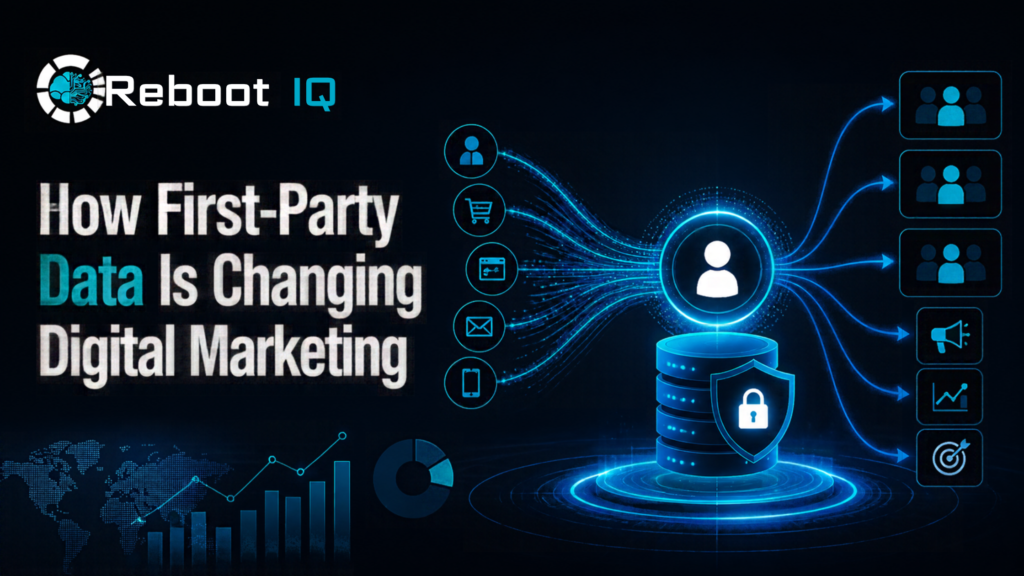
How First-Party Data Is Changing Digital Marketing
Digital marketing is continuously evolving as businesses look for better ways to understand customers, improve advertising performance, and increase online conversions. Discover How First-Party Data is changing Digital Marketing through personalized campaigns, better customer insights, improved targeting, and higher conversions. In today’s competitive digital environment, customer information plays an important role in creating successful marketing campaigns. One of the biggest changes in modern marketing is the growing importance of First-Party Data in Digital Marketing. First-party data refers to information that businesses collect directly from their customers and website visitors through their own digital platforms. This information can include website interactions, purchase history, email subscriptions, customer feedback, and product preferences. Unlike third-party data, first-party data comes directly from the audience, making it valuable for understanding customer interests and behavior. Companies are adopting smarter approaches to collect and analyze customer information while building trust and improving marketing results. In this blog, we will explore the importance of first-party data, the Benefits of First-Party Data, and effective First-Party Data Marketing Strategies that businesses can use to achieve better digital marketing performance.
What Is First-Party Data in Digital Marketing?
First-party data is information that a business collects directly from its audience through its website, mobile applications, social media interactions, email campaigns, customer surveys, and other owned platforms. For example, when a customer visits an online store, searches for a product, adds an item to the shopping cart, or completes a purchase, the business can collect relevant information about these interactions with appropriate notice and consent. First-Party Data in Digital Marketing helps businesses understand what customers are interested in and how they interact with their brand. Marketers can use these insights to create more relevant advertisements, improve website experiences, and develop personalized communication.
Common examples of first-party data include:
- Customer names and email addresses voluntarily provided through forms.
- Website browsing behavior and page interactions.
- Previous purchases and transaction history.
- Newsletter subscriptions and email engagement.
- Customer preferences and product interests.
- Feedback, reviews, and survey responses.
- Customer service interactions.
When collected responsibly, this information helps businesses develop stronger customer relationships and improve their overall marketing strategies.
Why Is First-Party Data Becoming Important?
Customer privacy has become a major consideration in the digital marketing industry. Businesses must pay greater attention to how they collect, store, manage, and use personal information. Traditional marketing strategies often depended on third-party cookies and external audience information. However, privacy regulations, browser restrictions, and changing consumer expectations have encouraged businesses to develop direct relationships with their audiences. This is where First-Party Data in Digital Marketing becomes valuable.
Top Benefits of First-Party Data
Understanding the Benefits of First-Party Data helps businesses recognize why collecting customer information directly is important for long-term marketing success.
Here are some major advantages.
1. Better Customer Understanding
One of the biggest Benefits of First-Party Data is the ability to understand customer interests, preferences, and purchasing behavior. Businesses can analyze website visits, product searches, previous purchases, and customer interactions to identify what their audiences want. These insights help marketers develop campaigns that address actual customer requirements instead of depending on assumptions.
2. Improved Audience Targeting
First-party data allows businesses to create more relevant audience segments based on customer behavior and interests. For example, an online business can identify customers who have purchased specific products or subscribed to particular services. Marketers can use these segments to deliver relevant promotional messages and advertising campaigns. Better audience targeting can reduce unnecessary advertising expenses and improve campaign effectiveness.
3. Personalized Marketing Campaigns
Personalization is another important advantage of First-Party Data in Digital Marketing. Businesses can use customer preferences and previous interactions to create personalized email campaigns, product recommendations, website content, and promotional offers. For example, an online shopping website can recommend products based on a customer’s previous purchases or browsing interests. Personalized experiences help businesses improve engagement and create stronger customer relationships.
4. Increased Conversion Opportunities
When businesses understand their audience, they can create marketing campaigns that match customer interests and requirements. Relevant product recommendations, personalized offers, and targeted advertising can encourage customers to take meaningful actions. This can improve the chances of generating inquiries, completing purchases, and increasing conversions.
5. Better Customer Relationships
Collecting information directly from customers helps businesses understand their expectations and communication preferences. Companies can use these insights to provide relevant updates, helpful information, and personalized experiences. Transparent data collection practices also help build trust and encourage customers to maintain long-term relationships with a brand.
6. Improved Marketing Measurement
First-party data provides valuable information about customer interactions across different marketing channels. Businesses can analyze website traffic, email engagement, purchases, and campaign responses to understand which activities are performing well. These insights help marketers improve their strategies and allocate budgets more effectively.
Effective First-Party Data Marketing Strategies
Implementing the right First-Party Data Marketing Strategies can help businesses collect useful customer information and turn it into meaningful marketing opportunities.
Here are some practical strategies businesses can follow.
1. Create Website Lead Generation Forms
Website forms are one of the easiest ways to collect first-party data. Businesses can create contact forms, consultation forms, newsletter subscriptions, and inquiry forms to encourage visitors to voluntarily share their information. For better results, keep forms simple and request only the information necessary for the intended purpose. Clearly explain how customer information will be used and obtain appropriate consent.
2. Use Email Marketing Campaigns
Email marketing is an effective channel for developing direct relationships with customers. Businesses can encourage website visitors to subscribe to newsletters, receive promotional updates, and access useful resources. By analyzing email engagement, marketers can understand which topics, offers, and messages attract customer attention. These insights can support more effective First-Party Data Marketing Strategies.
3. Analyze Website Visitor Behavior
Website analytics tools help businesses understand how visitors interact with their websites.
Marketers can examine:
- Most visited website pages.
- Popular products and services.
- Traffic sources.
- Conversion rates.
- Customer journey patterns.
- Landing page performance.
These insights help businesses identify opportunities to improve website content, navigation, and user experience.
4. Collect Customer Feedback
Customer feedback provides direct information about customer satisfaction, expectations, and preferences. Businesses can use surveys, feedback forms, reviews, and post-purchase questionnaires to understand customer experiences. Analyzing this information helps companies improve their products, services, and marketing communication.
5. Use CRM Platforms
Customer Relationship Management (CRM) platforms help businesses organize customer information in one place. They can maintain customer contact details, inquiry history, previous purchases, and communication records. CRM systems make it easier for sales and marketing teams to understand customer requirements and manage follow-ups.
6. Use Personalized Advertising
Advertising platforms such as Google Ads and Meta Ads offer tools that can help businesses use eligible first-party customer data for audience targeting. For example, businesses may create customer lists or remarketing audiences where platform policies, consent requirements, and applicable laws allow it. These approaches can help brands reconnect with interested customers and deliver more relevant advertising experiences.
7. Build Valuable Content Offers
Businesses can encourage customers to share their information by providing useful resources.
Examples include:
- Free industry guides.
- Downloadable eBooks.
- Educational webinars.
- Free consultation sessions.
- Exclusive newsletters.
- Helpful checklists.
These resources provide value to visitors while helping businesses generate relevant leads.
Role of AI in First-Party Data Marketing
Artificial Intelligence is creating new opportunities for businesses to analyze customer information and improve marketing performance. AI-powered tools can help marketers identify audience patterns, analyze customer preferences, automate repetitive tasks, and generate personalized content. For example, businesses can use AI-powered analytics to identify customers who may be interested in specific products or services. AI can also support marketing automation by helping businesses organize customer segments and deliver relevant communication at appropriate stages of the customer journey. However, AI-generated insights should be reviewed carefully. Businesses must ensure that their data collection and processing practices follow applicable privacy requirements. Combining AI with First-Party Data in Digital Marketing can help companies make smarter marketing decisions and improve customer experiences.
First-Party Data and the Future of Digital Advertising
Digital advertising is moving towards more privacy-conscious approaches. Businesses are increasingly focusing on building direct customer relationships and using responsibly collected information. Google Ads and Meta Ads provide different tools for businesses to use eligible first-party information in advertising campaigns. Customer Match and similar audience-related capabilities can support campaign targeting when businesses meet the relevant platform requirements. At the same time, conversion tracking and analytics help marketers understand campaign performance. The future of First-Party Data in Digital Marketing will depend on transparency, customer trust, responsible data management, and the ability to deliver relevant experiences. Businesses that develop strong data strategies can become better prepared for changing advertising technologies and customer expectations.
Common Mistakes Businesses Should Avoid
Although first-party data provides several advantages, businesses must avoid common mistakes when collecting and using customer information.
1. Collecting Unnecessary Information: Requesting too much personal information can discourage customers from completing forms.
2. Ignoring Customer Consent: Businesses should explain their data collection practices and obtain appropriate consent wherever required.
3. Poor Data Management: Inaccurate or outdated information can affect marketing performance.
4. Sending Irrelevant Messages: Excessive promotional communication can reduce customer engagement and increase unsubscribes.
5. Ignoring Data Security: Businesses should implement suitable security measures to protect customer information.
6. Failing to Measure Results: Without performance analysis, businesses may struggle to understand whether their marketing strategies are effective. Avoiding these mistakes helps companies build more reliable and responsible data-driven marketing systems.
How Rebootiq Infotech Helps Businesses Improve Digital Marketing
Rebootiq Infotech helps businesses strengthen their online presence through effective digital marketing solutions. With the right combination of SEO, website development, social media marketing, and paid advertising, businesses can reach their target audiences and generate valuable opportunities.
Our digital marketing solutions include:
- Search Engine Optimization: Improve website visibility and attract relevant organic traffic through effective SEO strategies.
- Social Media Marketing: Build brand awareness and connect with potential customers through engaging social media campaigns.
- Website Development: Create professional, user-friendly websites that support customer engagement and lead generation.
- Google Ads Management: Reach potential customers through targeted search and display advertising campaigns.
- Meta Ads Management: Develop Facebook and Instagram advertising campaigns to improve audience reach and generate leads.
- Digital Marketing: Build effective online marketing strategies to support business growth and brand recognition.
By combining data-driven insights with the right digital marketing techniques, Rebootiq Infotech helps businesses improve their marketing performance and achieve sustainable online growth.
Conclusion
First-party data is becoming an important part of modern digital marketing because it helps businesses understand customers, personalize communication, improve audience targeting, and measure campaign performance. The Benefits of First-Party Data go beyond collecting customer information. It allows businesses to build direct relationships, understand customer behavior, and create more meaningful digital experiences. By implementing effective First-Party Data Marketing Strategies, including website forms, email marketing, CRM platforms, customer feedback, and personalized advertising, companies can improve their marketing efforts. As digital marketing continues to evolve, First-Party Data in Digital Marketing will remain an important approach for businesses looking to adapt to privacy-focused advertising and changing customer expectations. Partner with Rebootiq Infotech to strengthen your digital presence with effective SEO, social media marketing, website development, Google Ads, and Meta Ads solutions. To know more about us. Click:https://rebootiq.com/
